
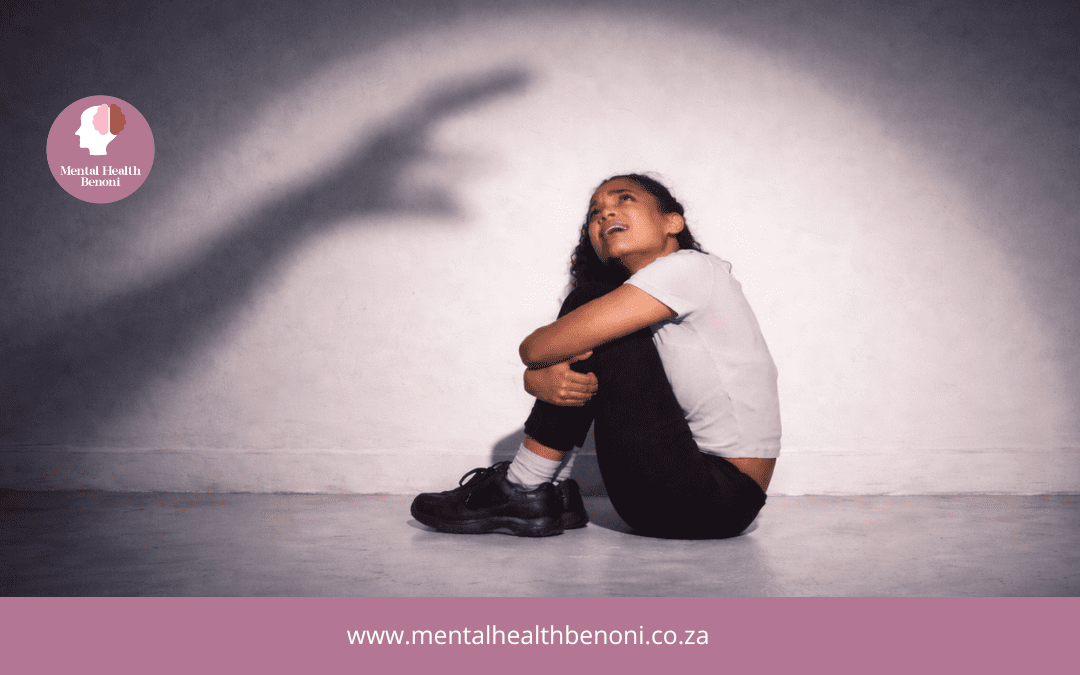
How Trauma Affects Addiction and How Counselling Can Help
Understanding the Link Between Trauma and Addiction
Trauma and addiction are deeply connected. Many individuals who struggle with substance use are not simply dealing with a habit—they are coping with unresolved emotional pain. In fact, approaches like relapse prevention therapy in Observatory, Johannesburg recognise that without addressing trauma, long-term recovery becomes significantly more difficult.
Trauma can stem from a wide range of experiences, including childhood neglect, abuse, loss, or exposure to violence. When these experiences are not processed, they often manifest as anxiety, depression, or emotional dysregulation. Substances may then become a way to numb or escape these overwhelming feelings.
At Mental Health Benoni, Dr. Laurika Lubbe works with individuals to gently uncover and process these underlying experiences, helping them move toward sustainable healing.
Why Trauma Often Leads to Addiction
Emotional Avoidance and Self-Medication
Many people turn to substances as a way to avoid painful memories or emotions. Alcohol or drugs can temporarily reduce distress, but they reinforce a harmful cycle over time.
Dysregulated Nervous System
Trauma impacts how the brain and body respond to stress. This can lead to:
- Heightened anxiety or hypervigilance
- Emotional numbness
- Difficulty feeling safe or grounded
Substances may feel like the only way to regulate these intense internal states.
Negative Core Beliefs
Trauma often shapes beliefs such as:
- “I am not safe”
- “I am not worthy”
- “I have no control”
These beliefs can drive addictive behaviours and make recovery feel out of reach without proper support.
Relapse Prevention Therapy in Observatory, Johannesburg
Effective recovery requires more than stopping substance use—it requires understanding why the behaviour started. This is where relapse prevention therapy in Observatory, Johannesburg plays a crucial role.
This therapeutic approach focuses on:
- Identifying triggers linked to trauma
- Building healthier coping mechanisms
- Strengthening emotional regulation skills
- Preventing relapse by addressing root causes
At Mental Health Benoni, therapy is tailored to each individual’s history, ensuring that both trauma and addiction are treated together—not separately.
How Counselling Helps Heal Trauma and Addiction
Creating a Safe Space
Healing begins with feeling safe. Counselling psychology provides a non-judgemental environment where individuals can explore difficult experiences at their own pace.
Processing Traumatic Experiences
Rather than avoiding trauma, therapy helps individuals:
- Understand how past events affect present behaviour
- Reframe harmful beliefs
- Reduce emotional intensity tied to memories
Developing Healthier Coping Strategies
Counselling introduces practical tools such as:
- Grounding techniques
- Emotional regulation skills
- Stress management strategies
These tools replace substance use with healthier alternatives.
The Role of Counselling Psychology in Long-Term Recovery
Building Self-Awareness
Understanding patterns is key to change. Therapy helps individuals recognise:
- Emotional triggers
- Behavioural cycles
- Thought patterns linked to addiction
Strengthening Resilience
Recovery is not about perfection—it’s about progress. Counselling helps build resilience by:
- Encouraging self-compassion
- Improving problem-solving skills
- Reinforcing positive habits
Supporting Relapse Prevention
With the right support, relapse becomes less likely. Techniques used in relapse prevention therapy in Observatory, Johannesburg focus on:
- Early warning signs
- Action plans for high-risk situations
- Ongoing emotional support
Why Choose Mental Health Benoni
At Mental Health Benoni, the focus is on compassionate, evidence-based care rooted in counselling psychology. Dr. Laurika Lubbe brings extensive experience in working with trauma and addiction, offering personalised support that respects each individual’s journey.
Clients benefit from:
- A calm and confidential environment
- Tailored therapy plans
- A deep understanding of trauma-informed care
Taking the First Step Toward Healing
If you are struggling with addiction, it is important to know that you are not alone—and that your experience makes sense. Trauma can shape behaviours in powerful ways, but with the right support, healing is absolutely possible.
Through relapse prevention therapy in Observatory, Johannesburg, and trauma-focused counselling at Mental Health Benoni, you can begin to understand your story, regain control, and build a healthier future.
Reach Out Today
You deserve support that goes beyond surface-level solutions.
Contact Mental Health Benoni to schedule an appointment with Dr. Laurika Lubbe and take the first step toward meaningful, lasting recovery.